
Time: Jul 6 2026 Views: 8
INTRODUCTION
Chemical processing plants generate a wide range of exhaust gases containing corrosive, toxic, and high-moisture components.
These gases often carry significant recoverable thermal energy, but also present severe challenges for conventional heat recovery systems.
Effective heat recovery in chemical processing requires systems that can withstand:
● highly corrosive chemical environments
● acid vapor condensation
● variable process loads
● long-term continuous operation
FLUE GAS CHARACTERISTICS
Complex and Corrosive Operating Conditions
Chemical processing exhaust typically includes:
● Acidic vapors (H₂SO₄, HCl, HF)
● Moisture-rich gas streams
● Organic and inorganic chemical residues
● Variable temperature ranges (120°C – 300°C)
● Strong corrosion potential under condensation conditions
These combined factors make system design significantly more complex than in standard industrial applications.
KEY ENERGY RECOVERY OPPORTUNITY
Hidden Thermal Energy in Chemical Exhaust
Chemical plants often discharge flue gases at elevated temperatures, resulting in substantial energy loss.
Without heat recovery:
● valuable thermal energy is wasted
● cooling systems consume additional energy
● overall plant efficiency decreases
Heat recovery systems can convert this waste heat into useful energy for:
● process heating
● boiler feedwater preheating
● plant utility systems
APPLICATION SCENARIOS
Where Heat Recovery Is Applied
1. Process Gas Cooling
Hot process gases are cooled while recovering usable thermal energy.
2. Reactor Exhaust Heat Recovery
Energy is captured from chemical reaction exhaust streams.
3. Acid Gas Treatment Systems
Heat is recovered prior to gas scrubbing or neutralization processes.
4. Utility Heating Integration
Recovered energy supports plant-wide heating requirements.
ENGINEERING CHALLENGES
Harsh Chemical Operating Environment
Chemical processing systems introduce multiple challenges:
1. Strong Chemical Corrosion
Exposure to acids, alkalis, and reactive compounds leads to:
* rapid material degradation
* surface erosion
* system instability
2. Acid Dew-Point Condensation
As gases cool:
● acidic vapors condense
● corrosive liquids form on surfaces
● corrosion rates increase significantly
3. Fouling and Contamination
Chemical residues can:
● accumulate on heat transfer surfaces
● reduce thermal efficiency
● increase maintenance requirements
4. Variable Process Conditions
Chemical plants often operate under:
● fluctuating flow rates
● changing gas compositions
● variable thermal loads
ENGINEERING REQUIREMENTS
What Heat Recovery Systems Must Deliver
To operate reliably in chemical processing environments, systems must provide:
● strong resistance to acid and chemical corrosion
● stable performance under condensation conditions
● anti-fouling heat transfer surfaces
● flexible operational range
● long-term durability under continuous exposure
ENGINEERING SOLUTION
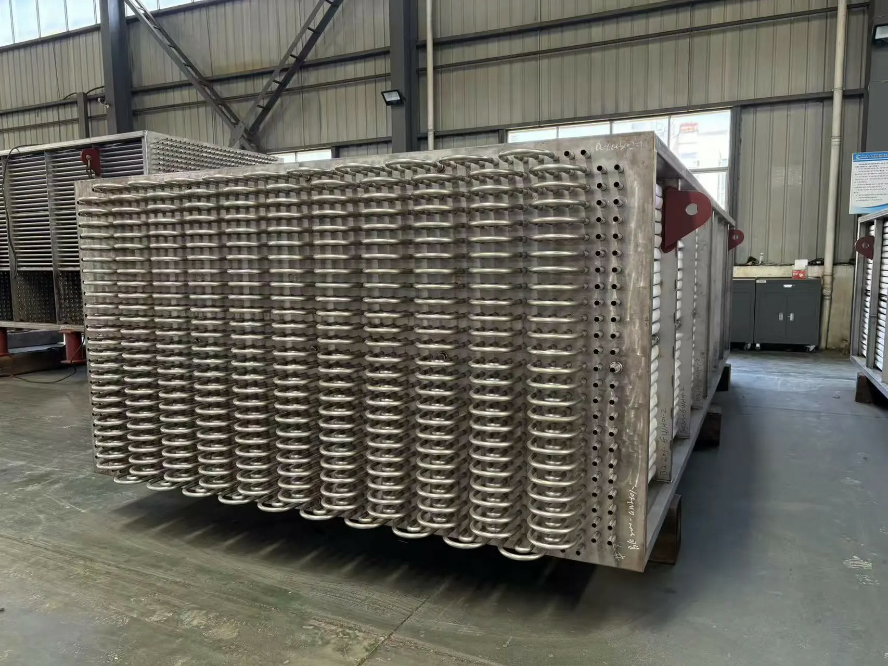
Fluoroplastic-Steel Composite Heat Recovery Systems
Advanced composite systems are designed to address these challenges.
Fluoroplastic Outer Layer
● Resists aggressive chemical corrosion
● Prevents acid attack on surfaces
● Reduces fouling and adhesion
Steel Structural Core
● Provides mechanical strength and pressure resistance
● Ensures structural stability under industrial loads
● Supports long-term operation
Combined Performance
> Enables reliable heat recovery in highly corrosive chemical environments.
SYSTEM BENEFITS
Why Chemical Plants Use Heat Recovery Systems
1. Improved Energy Efficiency
Recover waste heat from process exhaust streams.
2. Reduced Operating Costs
Lower fuel consumption for heating and utilities.
3. Stable Long-Term Operation
Corrosion-resistant design improves reliability.
4. Reduced Maintenance Requirements
Anti-fouling surfaces minimize cleaning and downtime.
5. Enhanced Process Integration
Recovered energy supports multiple plant systems.
KEY INSIGHT
Chemical Corrosion and Condensation Must Be Controlled Together
In chemical processing environments, system failure is rarely caused by heat alone.
It is driven by:
● chemical attack
● condensation of acids
● surface contamination
Effective heat recovery requires addressing all three simultaneously.
CONCLUSION
Chemical processing applications represent one of the most chemically aggressive environments for heat recovery systems.
By combining corrosion-resistant materials with engineered system design, it is possible to:
● recover significant thermal energy
● improve plant efficiency
● reduce operational costs
● ensure long-term system reliability

@ 2025-2026 Langteng Machinery. All Rights Reserved.