Time: Oct 25 2026 Views: 18
Discover the energy savings and cost reduction benefits of installing a Boiler Economizer. Enhance thermal efficiency and achieve effective heat recovery in industrial boilers and HVAC systems.
A Boiler Economizer helps facilities capture heat that would otherwise leave through the flue and use it to preheat boiler feedwater or other process streams. For plants, commercial buildings, and facilities that rely on industrial boilers or large hvac systems, this can support energy savings, cost reduction, and better overall thermal efficiency. The result is a practical heat recovery upgrade that can improve everyday boiler performance without changing the core purpose of the system.
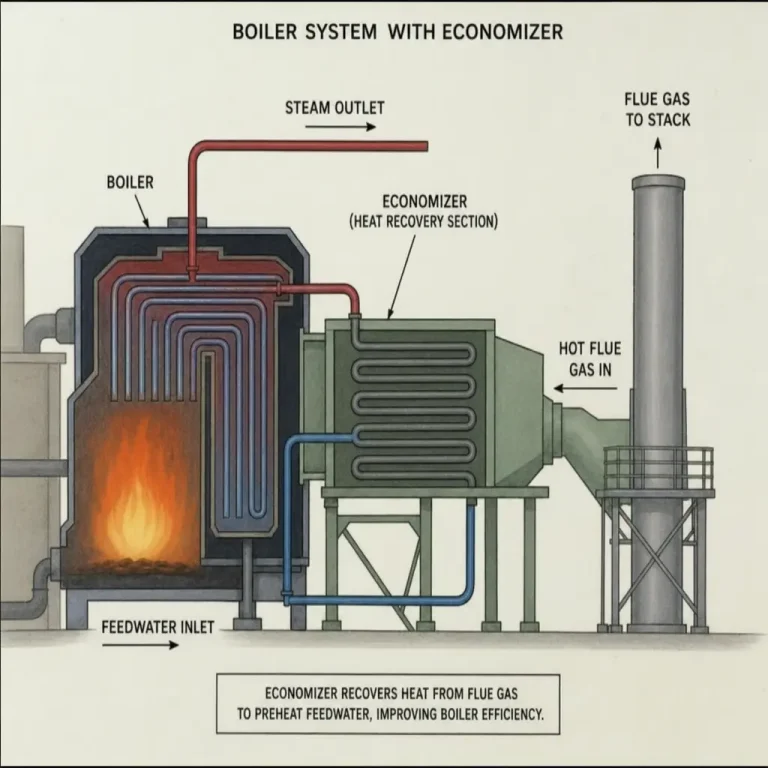
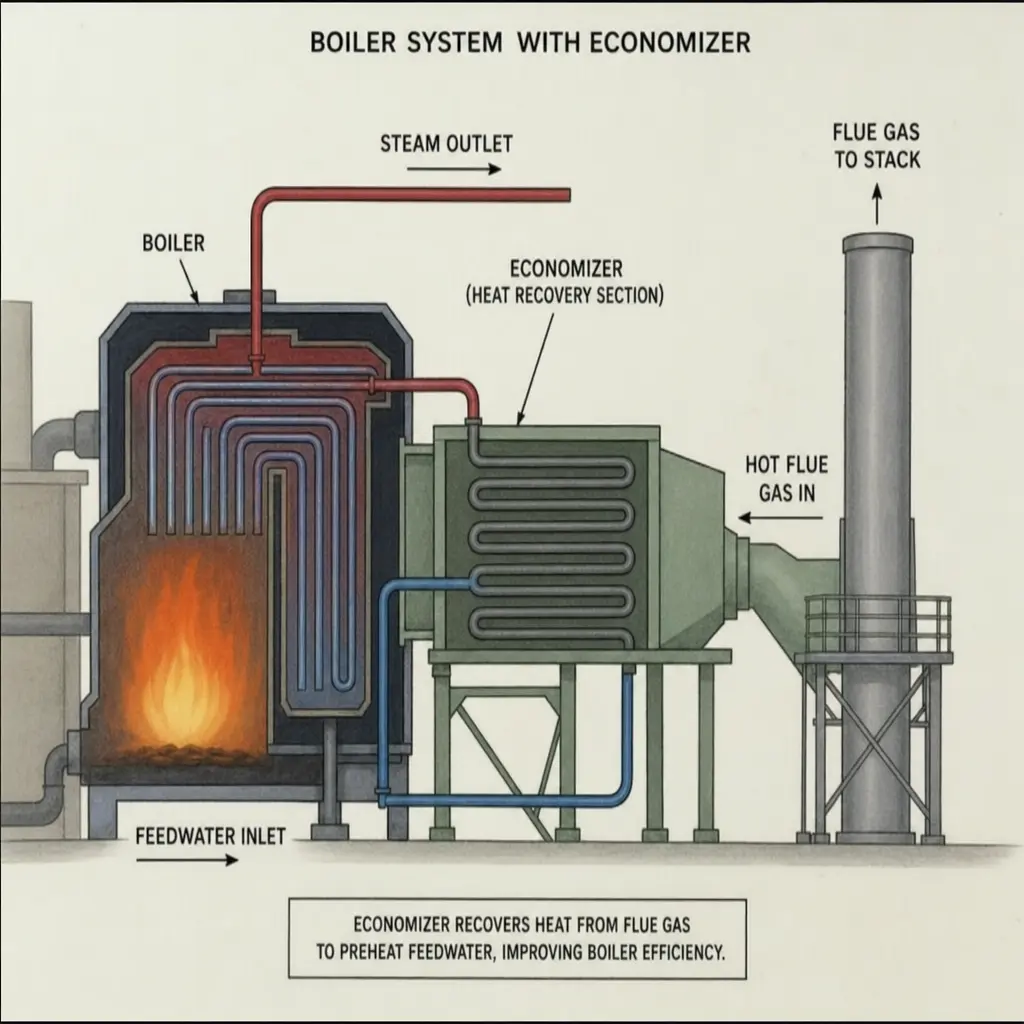
A Boiler Economizer recovers waste heat from hot exhaust gases and transfers that heat to water or another fluid before it enters the boiler. Instead of allowing valuable heat to escape through the stack, the economizer puts part of that energy back into the system, reducing the amount of fuel needed to reach the desired operating temperature.
In simple terms, the boiler and economizer work together as a more efficient heating system. The boiler still generates steam or hot water, but the economizer lowers the workload by raising the incoming water temperature first. This matters because every degree of useful heat recovered can help reduce fuel demand over time.
Economizers are especially relevant in facilities with steady boiler operation, high fuel usage, or significant exhaust heat. They are often considered in manufacturing plants, hospitals, universities, food processing facilities, laundries, and large commercial properties where boilers are part of daily operations.
The value of an economizer comes from several practical improvements working together. While the exact results depend on boiler size, operating schedule, fuel type, stack temperature, and maintenance practices, the underlying benefits are consistent: less wasted heat, improved system performance, and better use of purchased energy.
Key benefits often include:
These benefits are not limited to one industry. Any facility with the right boiler load profile and heat recovery opportunity may be able to benefit from an economizer.
Heat recovery is the central reason economizers are installed. In a conventional boiler setup, combustion gases leave the boiler at elevated temperatures. That exhaust still contains usable heat, but without a recovery device, much of it exits through the stack.
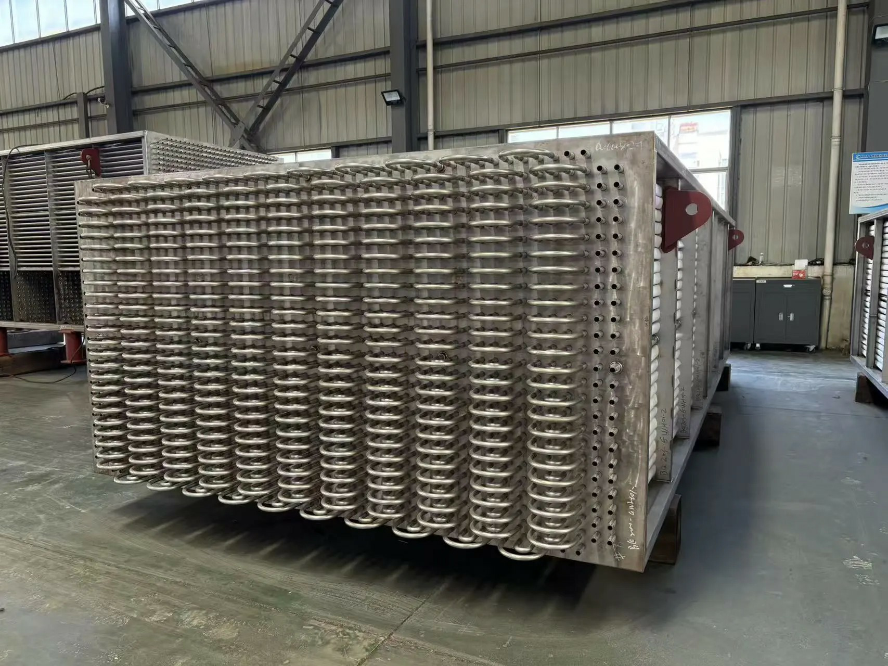
An economizer places a heat exchanger in the path of those exhaust gases. As hot gases pass through or across the economizer, heat transfers into the incoming feedwater. Because the water is already warmer when it reaches the boiler, the burner requires less fuel to bring it to operating temperature.
This is where energy savings become measurable in day-to-day operation. A facility that runs boilers for long hours may see the benefit more clearly than one with only occasional use. The more consistent the boiler demand, the more opportunities there are to recover heat that would otherwise be wasted.
The type of boiler operation also matters. Systems with high stack temperatures, steady feedwater demand, and clean exhaust conditions are often strong candidates. However, even facilities with variable loads may find value if the economizer is properly selected and integrated.
Cost reduction is often the first reason a facility considers a Boiler Economizer, but the financial impact is not limited to fuel savings. Lower fuel consumption is the most direct benefit, yet improved efficiency can also affect maintenance planning, equipment utilization, and long-term operating strategy.
When feedwater enters the boiler at a higher temperature, the boiler does not need to work as hard to reach the required output. Over time, this can contribute to steadier operation, fewer sharp temperature changes, and potentially less stress on certain system components. While an economizer is not a replacement for proper maintenance, it can support a more efficient operating environment.
A well-planned installation can also help facilities manage exposure to energy price changes. Fuel costs can fluctuate, and any improvement that reduces wasted energy can make the heating system less sensitive to those changes. For energy-intensive operations, that added control can be valuable.
Before installation, facilities should consider the full cost picture:
The best results come from matching the economizer to the facility’s actual operating conditions rather than choosing equipment based only on general efficiency claims.
Thermal efficiency describes how effectively a system converts fuel energy into useful heat. In boiler systems, losses can occur through flue gas, radiation, blowdown, and other pathways. A Boiler Economizer specifically targets flue gas losses, which can be one of the most visible sources of wasted heat.
By recovering part of that heat, the economizer helps shift more of the fuel’s energy into productive use. This does not mean the boiler becomes perfect or loss-free, but it does mean the system can make better use of the heat already being generated. For facilities focused on operational improvement, that is a meaningful advantage.
Improved thermal efficiency can also make performance tracking easier. When facilities monitor fuel input, steam output, feedwater temperature, and stack temperature, they can better understand how the system behaves before and after heat recovery is added. This data can support smarter maintenance decisions and help identify when equipment is drifting away from expected performance.
Economizers are useful for industrial boilers and hvac systems because both often involve repeated heating cycles and significant energy demand. In industrial settings, boilers may support production, sanitation, drying, sterilization, or process heating. In commercial hvac systems, boilers may provide space heating, domestic hot water, or support for hydronic heating networks.
In industrial boilers, the economics can be especially compelling when systems run for extended periods. A manufacturing plant with stable steam demand, for example, may have frequent opportunities to recover exhaust heat. This makes the economizer part of a broader effort to reduce wasted energy while maintaining production reliability.
In hvac systems, the operating pattern may be more seasonal or load-dependent. Even so, large buildings can consume substantial energy for heating. Where boiler exhaust temperatures and operating hours justify the investment, an economizer can help improve building energy performance without changing the comfort goals of the system.
The key is application fit. Not every boiler room has the same heat recovery potential, and not every economizer design is appropriate for every system. A careful review of load profile, fuel type, venting arrangement, condensate return, and water quality helps determine whether the upgrade makes sense.
Installing an economizer is not simply a matter of adding equipment to a stack. It should be treated as a system upgrade that affects heat transfer, water flow, exhaust flow, controls, and maintenance access. A thoughtful design phase helps avoid problems and improves the chance of long-term success.
Important considerations include:
A professional assessment can also identify whether additional upgrades should be considered at the same time. For example, burner tuning, insulation improvements, condensate return improvements, or control adjustments may further support energy savings.
Some boiler rooms show clear clues that heat recovery should be evaluated. These signs do not prove that an economizer is the right solution, but they are good reasons to look more closely.
Your facility may be a candidate if:
The strongest case usually appears when several of these conditions are present together. For instance, a boiler that operates continuously, uses significant fuel, and releases high-temperature exhaust is more likely to benefit than a lightly used boiler with limited recoverable heat.
A boiler and economizer setup supports sustainability by reducing the amount of fuel required to produce the same useful heating output. When a facility captures waste heat instead of sending it out through the stack, it uses energy more responsibly and can reduce the environmental impact associated with combustion.
For many organizations, sustainability goals must be balanced with reliability and budget realities. An economizer can be attractive because it focuses on efficiency within existing operations. Rather than asking a facility to completely redesign its heating infrastructure, it improves the way the current system uses energy.
This can also support internal energy management programs. Teams responsible for facilities, operations, and sustainability can track fuel use and system performance as part of broader improvement efforts. Over time, heat recovery becomes one practical step in a larger strategy to reduce waste, manage costs, and improve resilience.
A Boiler Economizer is not a universal fix, but it can be a highly practical upgrade when the operating conditions are right. By capturing waste heat, preheating feedwater, and improving thermal efficiency, it helps facilities reduce fuel demand and make better use of existing boiler equipment.
For organizations that rely on industrial boilers or large hvac systems, the potential benefits are clear: energy savings, cost reduction, heat recovery, and improved overall system performance. The best next step is to evaluate the boiler’s current operation, review exhaust and feedwater conditions, and determine whether an economizer fits the facility’s goals.
When selected, installed, and maintained properly, an economizer turns wasted heat into useful value. That makes it one of the more straightforward ways to improve boiler efficiency while supporting long-term operational and sustainability priorities.
@ 2025-2026 Langteng Machinery. All Rights Reserved.