WHAT IS ACID DEW-POINT CORROSION?

When Heat Recovery Meets Corrosion

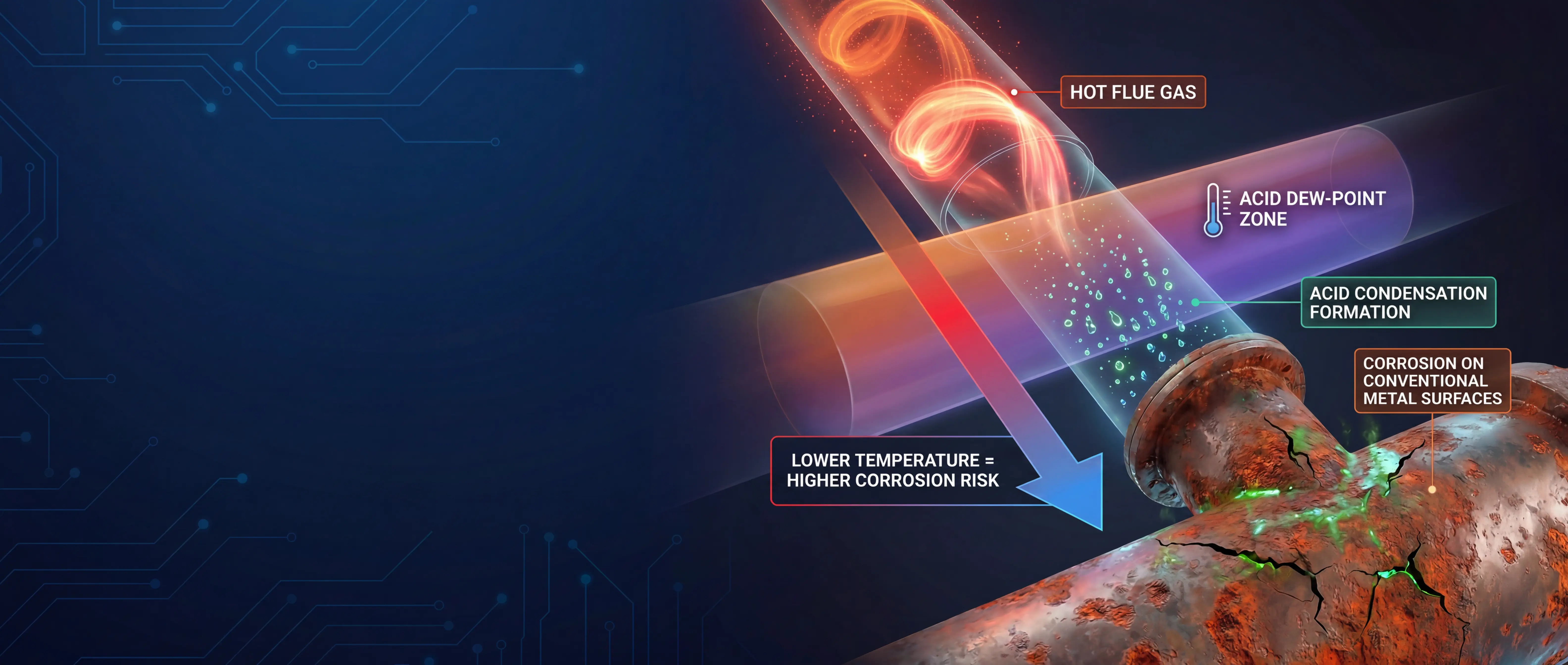
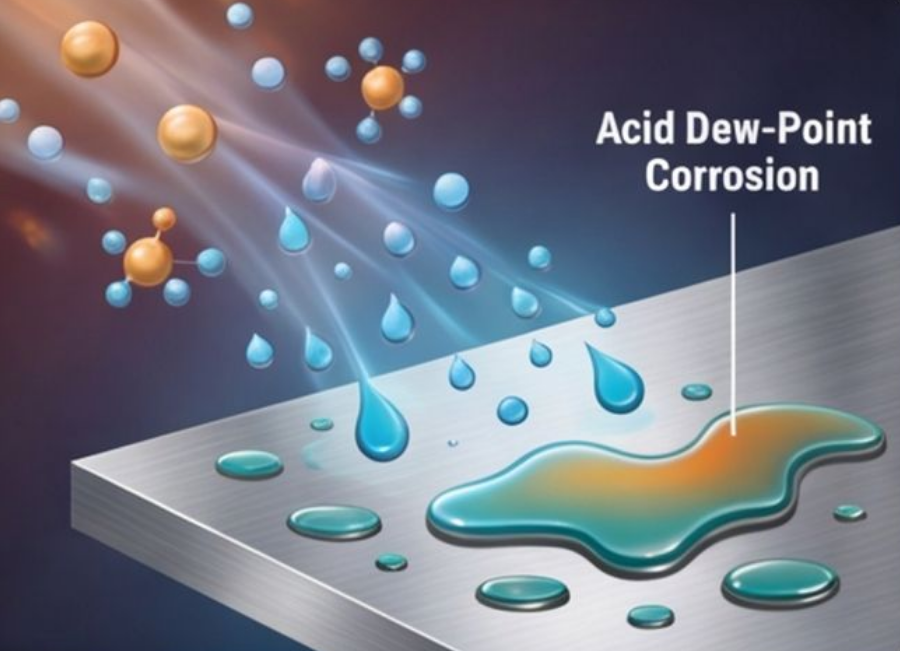
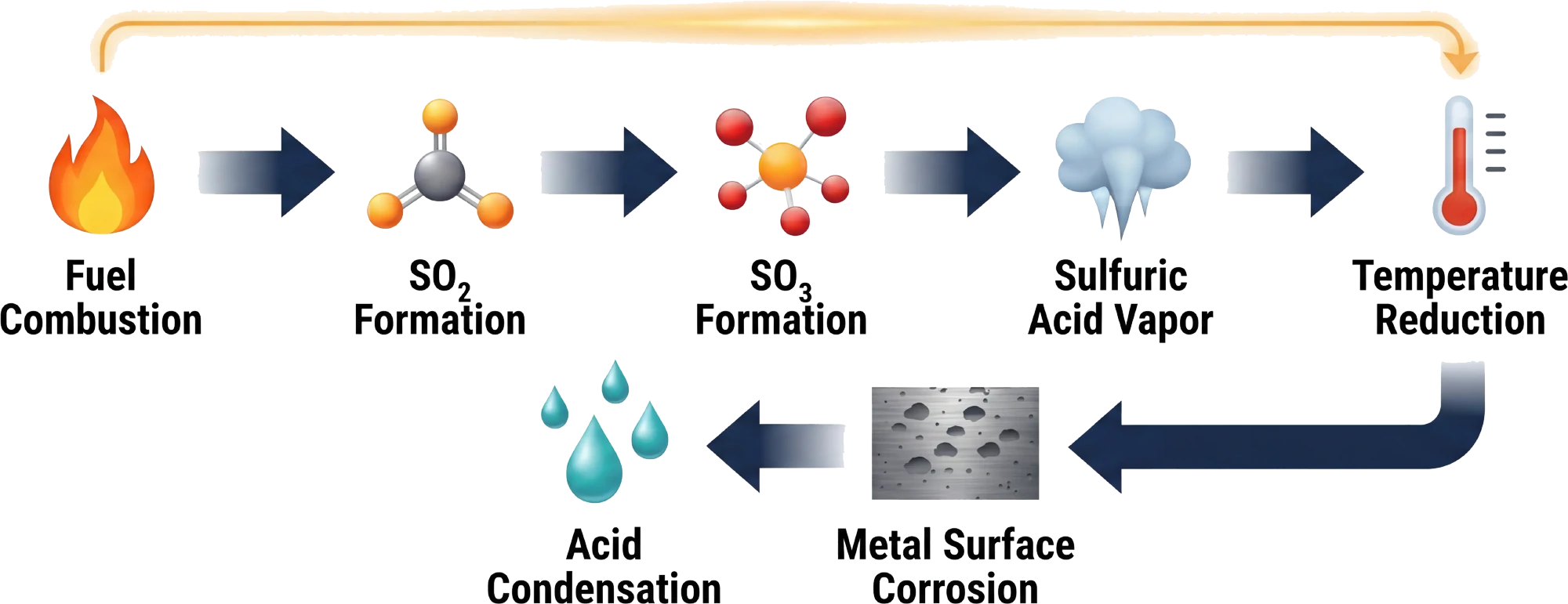
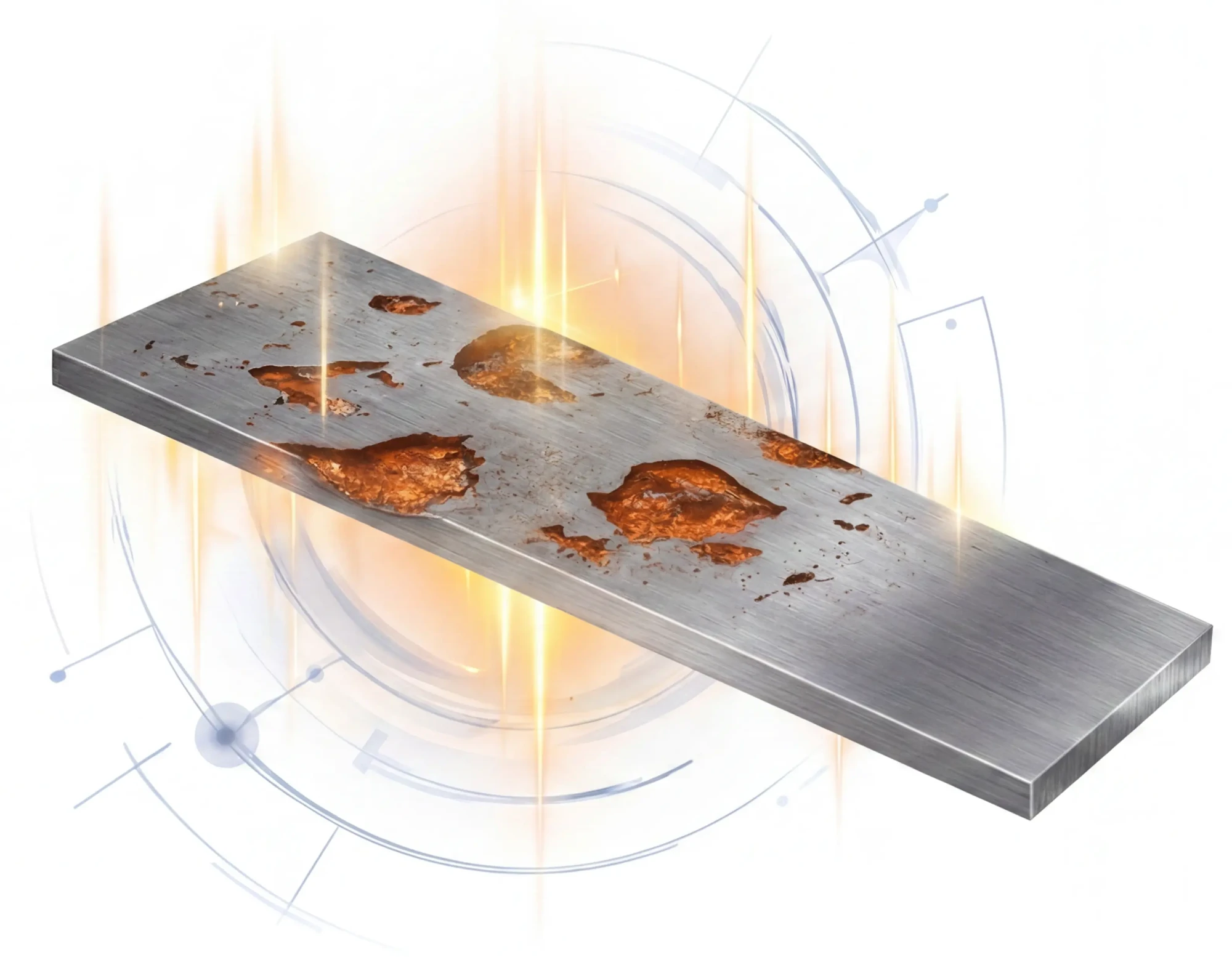
As flue gas cools, sulfur compounds within the gas begin to condense into highly corrosive acidic liquids. Once the gas temperature falls below the acid dew point, heat transfer surfaces become exposed to acidic condensate.
HOW IT OCCURS

The Corrosion Mechanism

WHY IT MATTERS

The Challenge for Heat Recovery Systems

To recover more thermal energy, exhaust temperatures must be lowered.

  • Lower Temperature

  • Higher Condensation Risk

  • More Corrosion

  • Reduced Equipment Life

This is the dilemma faced by conventional metallic heat exchangers.

THE IMPACT ON OPERATIONS

  • Premature Equipment Failure

    Corrosion reduces component life.

  • Increased Maintenance Costs

    Frequent repairs and replacement.

  • Unplanned Shutdowns

    Reduced operational availability.

  • Limited Heat Recovery

    Higher exhaust temperature cannot be reduced to avoid corrosion.
THE ENGINEERING SOLUTION

ENABLING DEEP HEAT RECOVERY

Corrosion Protection Creates New Opportunities

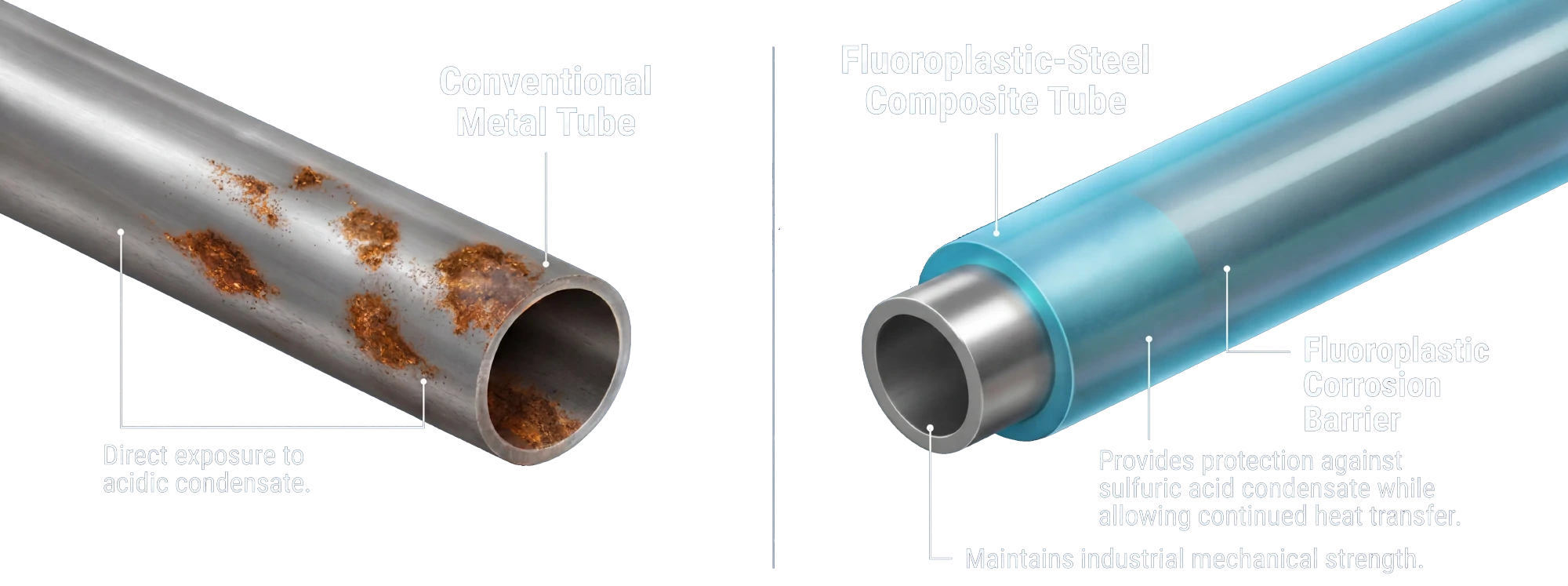
By protecting heat transfer surfaces from acidic condensate, facilities can safely recover additional thermal energy from low-temperature flue gas streams:
  • ● Lower Exhaust Temperatures
  • ● More Energy Recovery
  • ● Longer Equipment Life
  • ● Improved Lifecycle Economics
TECHNOLOGY IN PRACTICE

Products designed to address corrosion:

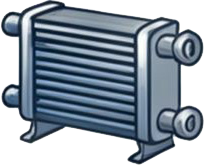
  • Fluoroplastic Steel Economizers

    Deep Heat Recovery

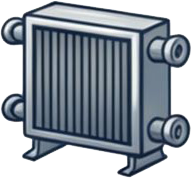
  • Fluoroplastic Steel Air Preheaters

    Condensation Recovery

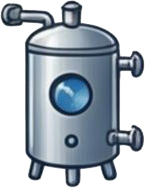
  • Fluoroplastic Steel Condensers

    Combuation Optimization

  • Fluoroplastic Steel Steam Heaters

    Industrial Heating

Looking to Recover More Energy Without Increasing Corrosion Risk?

Discuss your operating temperatures, sulfur content, and recovery objectives with our engineering team.

Request Engineering Consultation