
Time: Jul 6 2026 Views: 7
INTRODUCTION
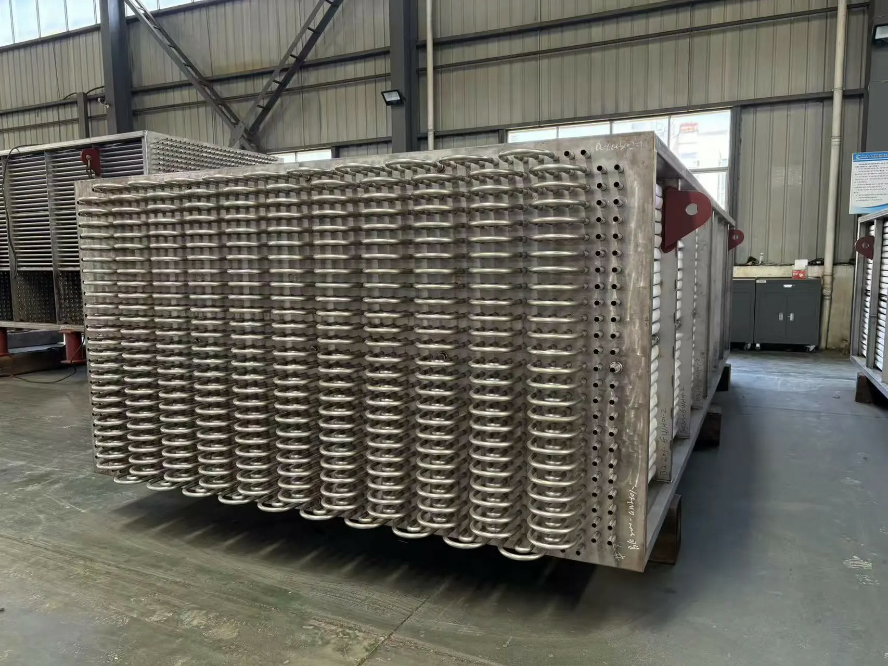
Fluoroplastic-steel composite technology is the foundation of modern corrosion-resistant heat recovery systems.
It enables industrial equipment to operate under conditions where conventional metal heat exchangers fail, particularly in low-temperature flue gas environments containing acidic condensates.
This technology combines:
● fluoroplastic corrosion resistance
● steel structural strength
● engineered heat transfer performance
THE CORE PROBLEM
Corrosion Limits Heat Recovery Performance
In low-temperature flue gas systems, as heat is recovered and temperatures decrease:
● acid dew-point condensation occurs
● sulfuric acid forms on surfaces
● metallic materials degrade rapidly
This limits the ability of traditional systems to recover deep thermal energy.
-
TECHNOLOGY PRINCIPLE
Dual-Material Composite Structure
Fluoroplastic-steel heat transfer tubes are designed with a layered structure:
Outer Layer — Fluoroplastic Protection
A thin fluoroplastic coating provides:
● chemical resistance
● anti-corrosion performance
● anti-fouling surface properties
● resistance to acidic condensate
Inner Layer — Steel Structure
The steel core provides:
● mechanical strength
● pressure resistance
● structural stability
● industrial durability
Combined Function
Together, the two layers form a system that achieves:
> Corrosion protection at the surface + structural strength at the core
KEY ENGINEERING ADVANTAGE
Protection Where It Is Needed
Instead of relying on a single material to perform all functions, the composite structure assigns roles:
● Fluoroplastic → chemical barrier
● Steel → mechanical support
This separation of functions allows each material to operate within its optimal performance range.
OPERATING PERFORMANCE
Designed for Harsh Industrial Conditions
Fluoroplastic-steel composite systems are engineered for:
● acid dew-point environments
● sulfur-containing flue gas
● waste acid recovery systems
● high-humidity industrial exhaust streams
Operating Range
● Temperature: -60°C to 260°C
● Pressure: up to 2 MPa
● Long-term corrosion resistance in acidic environments
ENGINEERING BENEFITS
Why This Structure Is Effective
1. Corrosion Resistance
Fluoroplastic layer isolates metal from corrosive media.
2. Mechanical Reliability
Steel structure ensures long-term load-bearing capability.
3. Stable Heat Transfer
Optimized geometry ensures continuous energy exchange.
4. Extended Service Life
Fluoroplastic materials provide long-term chemical stability.
5. Installation Flexibility
Supports both horizontal and vertical flue gas duct systems.
APPLICATION CONTEXT
Where This Technology Is Used
This technology forms the foundation of:
● Fluoroplastic Steel Economizers
● Fluoroplastic Steel Condensers
● Fluoroplastic Steel Air Preheaters
● Fluoroplastic Steel Steam Heaters
It is applied across:
● Power Generation
● Metallurgy & Smelting
● Chemical Processing
● Environmental Systems
● Waste Acid Recovery
KEY INSIGHT
Material Separation Enables System Optimization
The breakthrough of fluoroplastic-steel technology is not just material selection, but functional separation:
> One material protects
> One material supports
> The system performs
This enables deep heat recovery under conditions that were previously too corrosive for conventional systems.
CONCLUSION
Fluoroplastic-steel composite technology provides a balanced engineering solution for corrosive heat recovery systems by combining chemical resistance with structural strength.
It enables:
● deeper heat recovery
● improved system reliability
● extended equipment lifecycle
● stable operation in corrosive environments
CTA
Want to apply this technology in your project?
Discuss your operating conditions with our engineering team to identify the optimal heat recovery solution.

@ 2025-2026 Langteng Machinery. All Rights Reserved.