
Time: Jul 6 2026 Views: 2
INTRODUCTION
Waste acid recovery systems are used in industrial processes where acidic byproducts are generated during production, flue gas treatment, or chemical reactions.
These systems aim to:
● recover usable thermal energy
● reduce environmental impact
● improve resource utilization
● ensure safe handling of corrosive media
However, waste acid environments are among the most chemically aggressive conditions in industrial engineering.
TYPICAL SYSTEM CONDITIONS
Highly Corrosive and Complex Environments
Waste acid recovery applications often involve:
● sulfuric acid (H₂SO₄) streams
● hydrochloric acid (HCl) vapors
● mixed acid condensates
● high moisture content gas streams
● variable temperature ranges (80°C – 250°C)
● strong acid dew-point corrosion risk
These conditions require highly specialized heat recovery system design.
KEY ENERGY RECOVERY OPPORTUNITY
Recovering Energy from Acidic Waste Streams
Waste acid systems often contain significant thermal energy that is typically discharged or neutralized.
Without heat recovery:
● thermal energy is lost
● neutralization systems consume more energy
● operational costs increase
● environmental load is higher
Heat recovery systems enable:
● preheating of process fluids
● energy reuse in plant utilities
● improved overall system efficiency
APPLICATION SCENARIOS
Where Waste Acid Recovery Is Used
1. Acid Gas Cooling Systems
Hot acidic gases are cooled while recovering usable thermal energy.
2. Acid Mist Recovery Units
Energy is recovered from acid-laden vapor streams before scrubbing.
3. Chemical Byproduct Treatment
Waste acid streams from chemical reactions are thermally managed and stabilized.
4. Flue Gas Desulfurization Systems
Acidic byproducts from SO₂ removal processes are utilized for energy recovery.
ENGINEERING CHALLENGES
Extreme Corrosion and Condensation Risk
Waste acid environments present multiple simultaneous challenges:
1. Strong Acid Corrosion
Direct exposure to acids leads to:
● rapid material degradation
● surface pitting and erosion
● system instability
2. Acid Dew-Point Condensation
When gas temperature decreases:
● acid vapor condenses on surfaces
● corrosive liquid film forms
● corrosion accelerates significantly
3. Fouling and Chemical Deposition
Acidic particulates can:
● accumulate on heat exchange surfaces
● reduce heat transfer efficiency
● increase maintenance frequency
4. Long-Term Operational Stress
Systems must operate under:
● continuous exposure to corrosive media
● variable acid concentration
● fluctuating thermal loads
ENGINEERING REQUIREMENTS
What Waste Acid Systems Must Achieve
Reliable waste acid recovery systems must provide:
● strong resistance to acid corrosion
● stable performance under condensation conditions
● anti-fouling heat transfer surfaces
● long-term durability under continuous operation
● low maintenance requirements
ENGINEERING SOLUTION
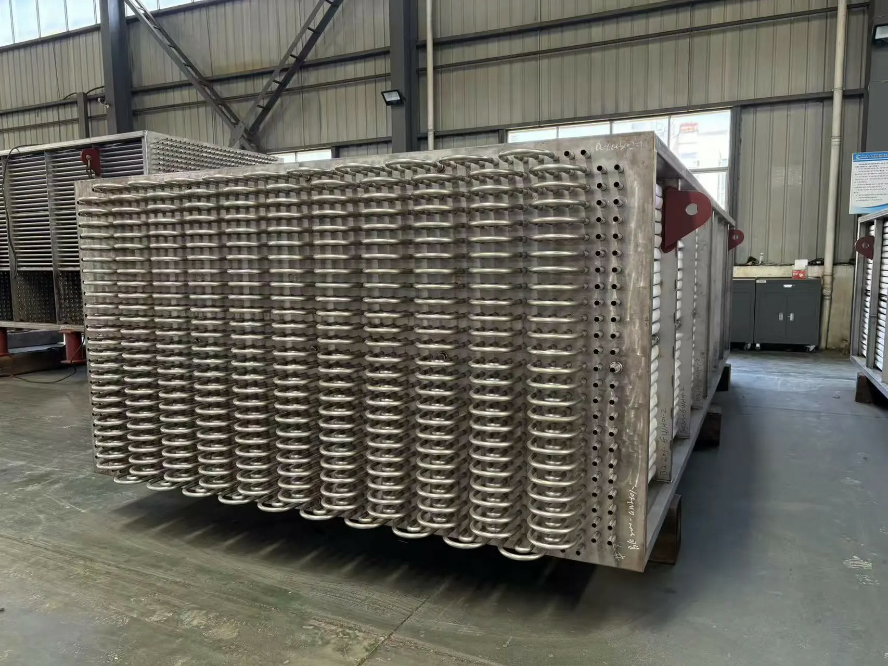
Fluoroplastic-Steel Heat Recovery Systems
Advanced composite technology is particularly suited for waste acid environments.
Fluoroplastic Outer Layer
● Provides chemical isolation from acids
● Prevents surface corrosion
● Reduces fouling and adhesion
Steel Structural Core
● * Ensures mechanical strength
● * Supports pressure and flow loads
● * Maintains structural integrity
Combined Effect
> Enables safe heat recovery in highly aggressive waste acid environments.
SYSTEM BENEFITS
Why Industries Adopt Waste Acid Recovery Systems
1. Energy Recovery from Waste Streams
Converts acid-related waste heat into usable energy.
2. Reduced Operating Costs
Lower energy consumption for auxiliary systems.
3. Improved Environmental Performance
Reduces thermal and chemical waste discharge.
4. Increased System Stability
Corrosion-resistant design improves long-term reliability.
5. Reduced Maintenance Frequency
Anti-fouling surfaces reduce cleaning requirements.
KEY INSIGHT
Waste Acid Systems Require Dual Protection
In waste acid recovery, failure is not caused by heat alone, but by:
● chemical corrosion
● acid condensation
● surface degradation
Effective system design must address all three simultaneously.
CONCLUSION
Waste acid recovery applications represent one of the most challenging environments in industrial heat recovery engineering.
By combining corrosion-resistant materials with system-level design, it is possible to:
● recover valuable thermal energy
● improve plant efficiency
● reduce environmental impact
● ensure long-term operational stability

@ 2025-2026 Langteng Machinery. All Rights Reserved.